
Short-Term Rental Guide
How to Design an Airbnb That Maximize Nightly Rates
The short-term rental market has matured. Five years ago, you could put a cheap futon and an old TV in a spare room and maintain a 90% occupancy rate. Today, the market is saturated with professionally managed, hyper-curated boutique properties. You are no longer competing on just location and price; you are competing on aesthetics. If your listing photos do not immediately capture attention, the guest will keep scrolling. Here is how top Airbnb hosts design for maximum profit.
Rule #1: Design for the Camera, Not Just Comfort
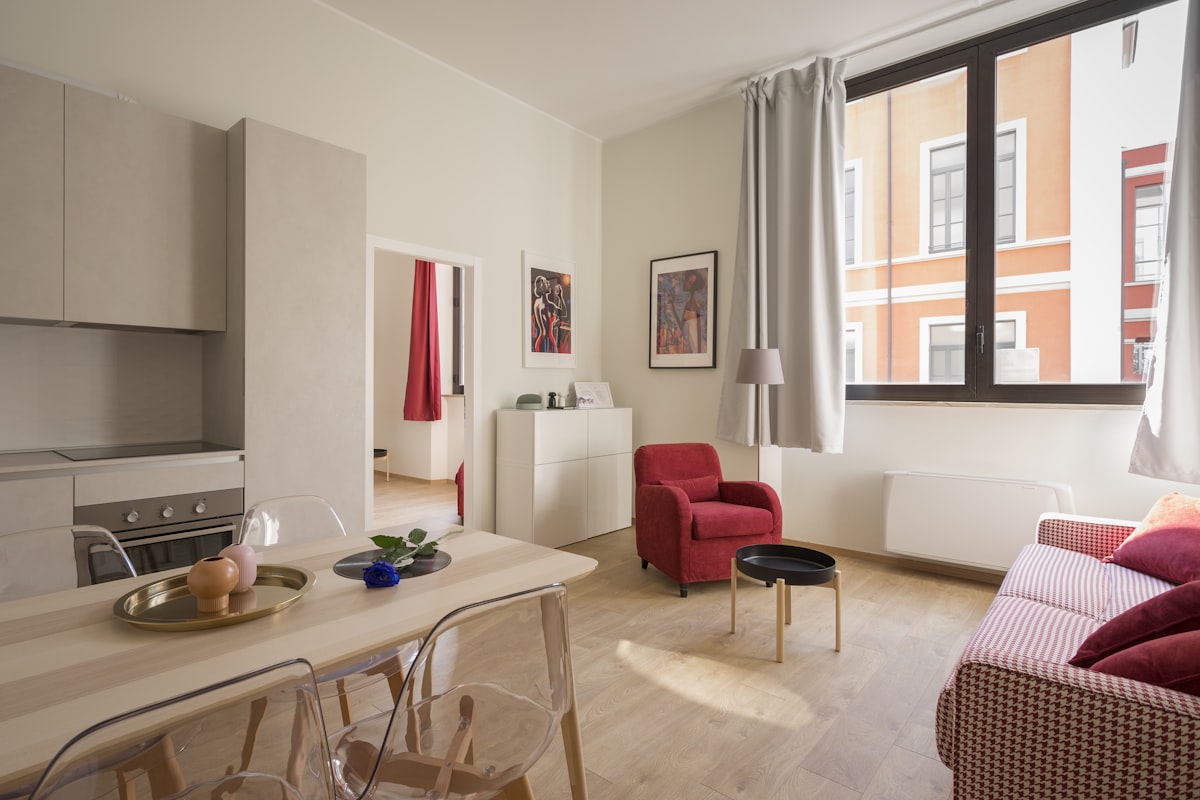
When you design your own home, you design it for the people living in it. When you design an Airbnb, you must design it for the camera lens. The guest's entire purchasing decision is based on five to ten photos on an app.
This means you must prioritize "Instagrammability." You need a "Hero Shot" - one photo that serves as the cover image of your listing that is so visually striking it forces the user to click.
To create a Hero Shot, you need high contrast, bold colors, and an undeniable focal point. Do not paint the living room beige and buy a beige sofa. Paint one accent wall a deep, moody emerald green and place a mustard-yellow velvet armchair against it. It might feel "too bold" for your own home, but on an Airbnb listing, bold colors pop off the screen and drive clicks.
Rule #2: The Math of Durability
While it must look beautiful, the furniture in a short-term rental endures incredible abuse. Suitcases will bash against the dressers. Red wine will spill on the rugs.
Do not buy cheap flat-pack furniture for high-traffic areas. A $200 particle-board bed frame will break in six months, and the resulting bad review will cost you thousands of dollars in lost future bookings.
- Beds: Buy solid wood or heavy-duty steel bed frames. They must not squeak.
- Sofas: Do not buy linen. Buy high-performance fabrics (like Crypton), leather, or tightly woven velvet. Alternatively, buy a sofa with machine-washable slipcovers so the cleaners can easily swap them between guests.
- Rugs: Buy cheap, synthetic rugs or washable rugs. Treat rugs as a disposable operating expense; you will likely need to replace them annually.
Rule #3: The "Sleep Quality" Premium
Guests might book your property because the living room looks cool in photos, but they will leave a 5-star review based entirely on how they slept.
Never skimp on the mattress. Buy a high-quality hybrid mattress (memory foam over pocket springs). Invest in crisp, white, hotel-quality cotton sheets (white is easy to bleach, which reassures guests of cleanliness). Most importantly, install true blackout curtains in every bedroom. A guest who is woken up at 5:30 AM by the sun will not leave a glowing review.
The Challenge of Remote Furnishing
Many Airbnb investors do not live in the same city as their rental property. They buy a house in a vacation market, close on it remotely, and then have to furnish an empty, 3-bedroom house from 1,000 miles away.
Traditionally, this meant flying to the property, spending four days running frantically between local furniture stores, renting a U-Haul, and guessing if everything would fit. It is exhausting and highly prone to expensive mistakes.
How AI Visualization Empowers Remote Hosts
Modern hosts use AI visualization technology like SimulaFly to design and furnish the property entirely remotely before they ever step foot in it.
During the property inspection or appraisal, the host requests standard photos of every empty room. The host then uploads those photos to SimulaFly from their laptop across the country.
The AI allows them to test different bed sizes, sofa configurations, and color palettes instantly. They can visually verify that a King-size bed fits in the master bedroom, or that a 6-person dining table doesn't block the walkway to the kitchen.
By designing the entire home virtually first, the remote host can confidently order all the furniture online and schedule it to be delivered on the exact same day. When the host finally flies out to the property, they aren't shopping - they are just unboxing and assembling a perfectly designed space.
The Bottom Line
In the competitive short-term rental market, design is not an expense; it is a revenue multiplier. A well-designed property commands higher nightly rates and achieves higher occupancy. By prioritizing visual impact for the listing photos, investing in durable foundational pieces, and utilizing AI tools to plan the layout flawlessly from afar, you guarantee a highly profitable investment.
Design Your Rental Remotely
Upload photos of your empty investment property and use AI to furnish it perfectly before you fly out.
Start Designing Free →